Topsham, Devon
EX3 0QH
Tel: 01392 878 200
Email: [email protected]
- Gallery
- Recipes & Blog
- Opening Hours
- Contact Us
- My Account
Darts Farm


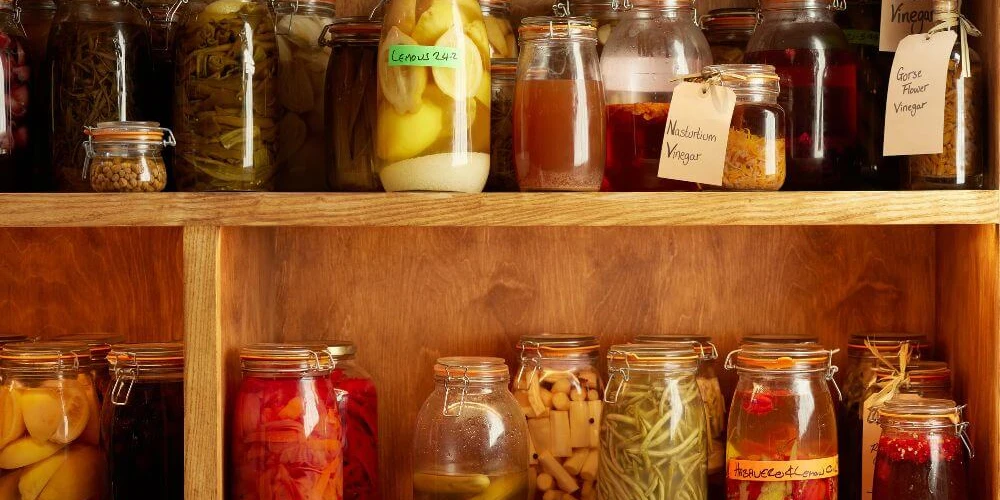
Why Fermented Foods Matter
Posted in Food Hall, Lifestyle, Fitness & Wellbeing on 07 Jan 2026
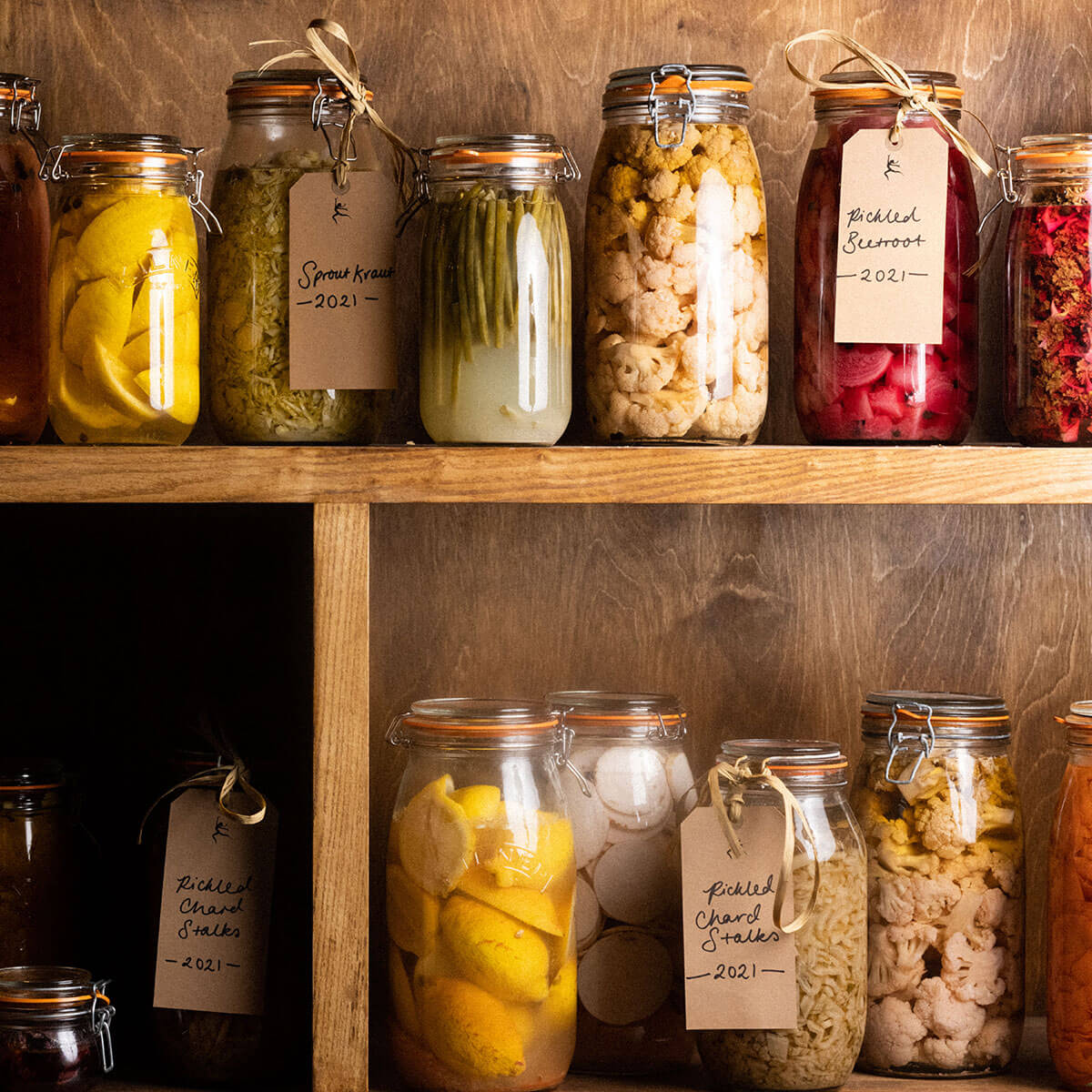 Fermentation has been part of human culinary culture for millennia, but it’s only with modern science and research that we are beginning to understand more about how these foods actually work and just how complex our relationships with microbial communities really are.
Our ancestors fermented out of necessity - before fridges - transforming cabbages into sauerkraut or milk into yoghurt meant harvest gluts could be stored safely through winter. Today, fermentation offers something just as valuable: a way to step away from ultra-processed foods and back towards slow, seasonal, nutrient-dense eating.
So what do we mean when we talk about fermentation? Microbes such as bacteria and yeasts feed on natural sugars in vegetables, grains or tea, creating acids and bubbles that preserve food and add complex flavour. This process also produces living cultures (probiotics) and beneficial compounds that can support a healthy gut microbiome and reduce low-grade, body-wide inflammation that underlies many chronic diseases, such as heart disease, some cancers, kidney disease, Alzheimer’s and IBS.
There is increasing evidence that regularly eating fermented foods can increase the diversity of gut microbes, which is linked with better digestion, immune function, reduced anxiety and overall resilience. It’s no wonder foods like kefir, kimchi and kombucha are being heralded as “superfoods”.
There’s a lot to know - and even more that we still don’t know - about the human mysteries of fermentation and the microbiota that are an integral part of human health and our food system.
“The more diverse and patient the ferment, the richer the nutrient profile and the deeper the flavour.”
.png) Your Second Brain
Your Second Brain
The gut is often called the “second brain” because it is lined with nerve cells and communicates constantly with the brain via the microbiota–gut–brain axis. A complex two-way communication network involving your nervous system and your immune system, it plays an important role not only in your digestive health but also in your mental health.
Fermentation Unlocks Nutrition, Which Develops Flavour
Fermentation is nature’s way of unlocking hidden goodness in food. Friendly microbes gently break down ingredients, making vitamins and minerals easier for your body to absorb, while reducing toxicity.
It also creates those delicious tangy, fizzy flavours we love. Nutrition and flavour are inextricably linked in this process, as they arise from the very same microbial activity.
Take a multi-grain sourdough loaf made from a diverse starter. It has greater flavour complexity than a commercial white loaf and is inextricably tied to its nutritional value. Both nutrition and flavour are an expression of the ingredients that made them in the first place, which is why both are more prevalent in food that comes from healthy and diverse farming practices - and that’s true for non-fermented foods too.
 Everyday ways to enjoy…
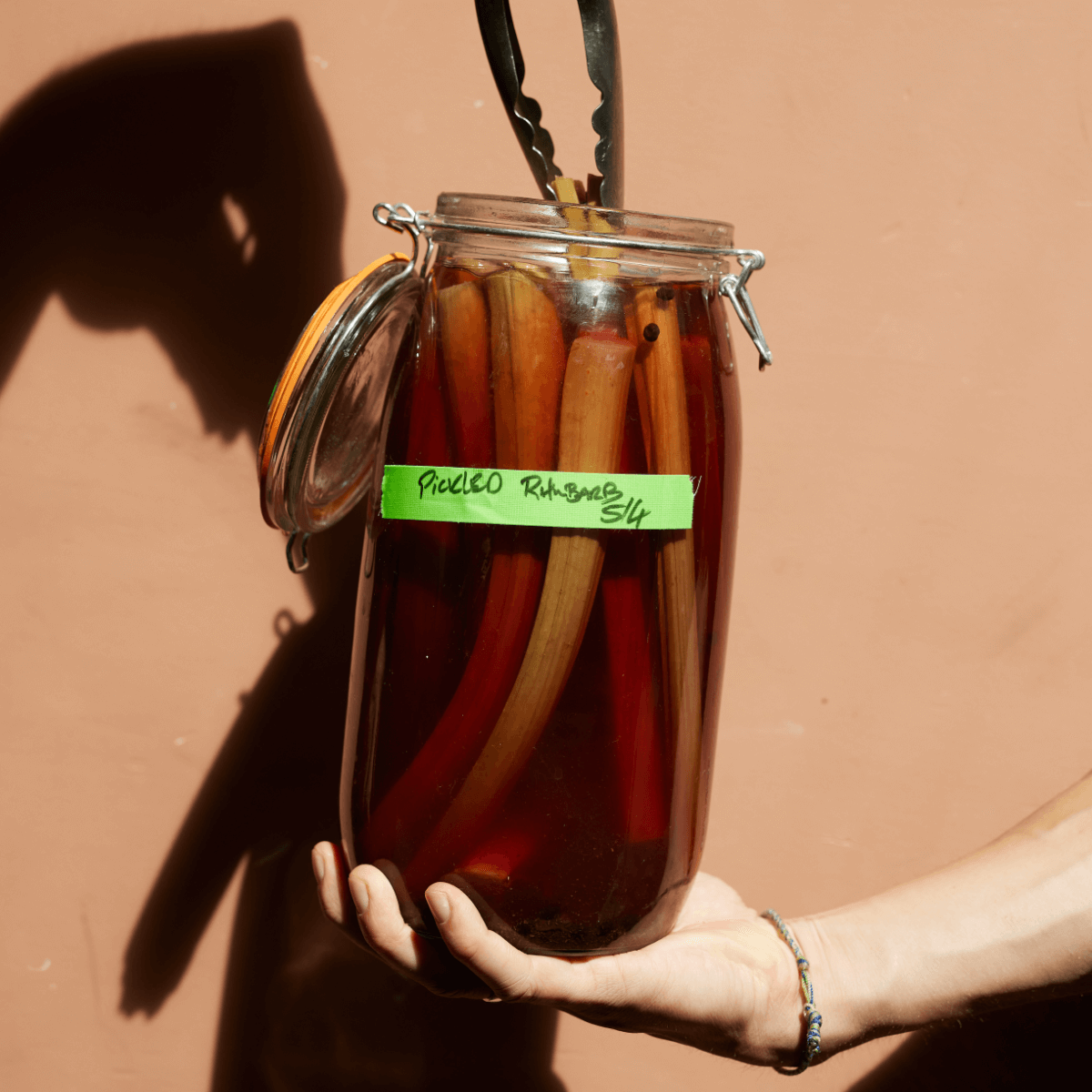
Easy fermented foods to weave into everyday meals include live yoghurt, kefir, raw sauerkraut, kimchi, miso and traditionally brewed kombucha. Give a couple of our favourites a go:
Boo Chi Kombucha Locally brewed, naturally fermented, 100% real and alive. Each bottle is packed with health-boosting benefits and infused with natural herbs and spices for functionality and goodness without the sugar highs.
Bath Culture House Kimchi and Kraut Handcrafted in small batches using fresh, seasonal ingredients. Always raw and unpasteurised. Delicious in a cheese and sourdough toastie!
Get Hands-On: Join Our Fermentation Masterclass Want to dive deeper into fermentation and its gut health benefits? Join us and fermentation guru Rachel de Thample on Thursday 16th April.
Be part of our community
Keep up to date with news from the farm, food & drink masterclasses, events, recipes, artisan products and much more!
Tags
- Food Hall
- Recipes
- The Farm
- News
- Awards
- Lifestyle
- Fitness & Wellbeing
- Food & Drink
- Seasonality
- Charity
- Supporting Local
- The Fish Shed
- Butchers
- The Flower Shack
- Energy Hair
- Winter Recipe
- Autumn Recipe
- Spring Recipe
- Summer Recipe
- The Farm Table
- Boxing Day Recipes
- November 2017 (1)
- July 2018 (1)
- August 2018 (1)
- August 2018 (1)
- September 2018 (1)
- September 2018 (1)
- September 2018 (1)
- September 2018 (1)
- October 2018 (1)
- October 2018 (1)
- November 2018 (1)
- November 2018 (1)
- November 2018 (1)
- December 2018 (1)
- January 2019 (1)
- January 2019 (1)
- March 2019 (1)
- March 2019 (1)
- May 2019 (1)
- May 2019 (1)
- May 2019 (1)
- May 2019 (1)
- May 2019 (1)
- May 2019 (1)
- June 2019 (1)
- June 2019 (1)
- June 2019 (1)
- June 2019 (1)
- June 2019 (1)
- June 2019 (1)
- July 2019 (1)
- July 2019 (1)
- July 2019 (1)
- July 2019 (1)
- August 2019 (1)
- September 2019 (1)
- September 2019 (1)
- October 2019 (1)
- November 2019 (1)
- November 2019 (1)
- November 2019 (1)
- December 2019 (1)
- December 2019 (1)
- December 2019 (1)
- December 2019 (1)
- December 2019 (1)
- December 2019 (1)
- December 2019 (1)
- December 2019 (1)
- December 2019 (1)
- December 2019 (1)
- December 2019 (1)
- January 2020 (1)
- January 2020 (1)
- January 2020 (1)
- January 2020 (1)
- January 2020 (1)
- January 2020 (1)
- January 2020 (1)
- January 2020 (1)
- January 2020 (1)
- January 2020 (1)
- January 2020 (1)
- January 2020 (1)
- January 2020 (1)
- January 2020 (1)
- January 2020 (1)
- January 2020 (1)
- January 2020 (1)
- January 2020 (1)
- January 2020 (1)
- January 2020 (1)
- January 2020 (1)
- January 2020 (1)
- January 2020 (1)
- February 2020 (1)
- February 2020 (1)
- February 2020 (1)
- February 2020 (1)
- February 2020 (1)
- February 2020 (1)
- February 2020 (1)
- February 2020 (1)
- February 2020 (1)
- February 2020 (1)
- March 2020 (1)
- March 2020 (1)
- March 2020 (1)
- March 2020 (1)
- March 2020 (1)
- March 2020 (1)
- April 2020 (1)
- April 2020 (1)
- April 2020 (1)
- April 2020 (1)
- April 2020 (1)
- April 2020 (1)
- April 2020 (1)
- April 2020 (1)
- April 2020 (1)
- April 2020 (1)
- April 2020 (1)
- April 2020 (1)
- May 2020 (1)
- May 2020 (1)
- May 2020 (1)
- May 2020 (1)
- May 2020 (1)
- May 2020 (1)
- May 2020 (1)
- June 2020 (1)
- June 2020 (1)
- June 2020 (1)
- June 2020 (1)
- June 2020 (1)
- June 2020 (1)
- June 2020 (1)
- June 2020 (1)
- July 2020 (1)
- July 2020 (1)
- July 2020 (1)
- July 2020 (1)
- July 2020 (1)
- July 2020 (1)
- August 2020 (1)
- August 2020 (1)
- August 2020 (1)
- August 2020 (1)
- August 2020 (1)
- August 2020 (1)
- August 2020 (1)
- September 2020 (1)
- September 2020 (1)
- September 2020 (1)
- September 2020 (1)
- September 2020 (1)
- September 2020 (1)
- September 2020 (1)
- October 2020 (1)
- October 2020 (1)
- October 2020 (1)
- October 2020 (1)
- October 2020 (1)
- November 2020 (1)
- November 2020 (1)
- December 2020 (1)
- December 2020 (1)
- December 2020 (1)
- January 2021 (1)
- January 2021 (1)
- January 2021 (1)
- February 2021 (1)
- February 2021 (1)
- March 2021 (1)
- April 2021 (1)
- May 2021 (1)
- May 2021 (1)
- May 2021 (1)
- May 2021 (1)
- May 2021 (1)
- June 2021 (1)
- June 2021 (1)
- June 2021 (1)
- June 2021 (1)
- July 2021 (1)
- July 2021 (1)
- July 2021 (1)
- July 2021 (1)
- July 2021 (1)
- August 2021 (1)
- August 2021 (1)
- August 2021 (1)
- August 2021 (1)
- September 2021 (1)
- September 2021 (1)
- September 2021 (1)
- September 2021 (1)
- October 2021 (1)
- October 2021 (1)
- December 2021 (1)
- December 2021 (1)
- December 2021 (1)
- January 2022 (1)
- January 2022 (1)
- January 2022 (1)
- January 2022 (1)
- February 2022 (1)
- February 2022 (1)
- February 2022 (1)
- February 2022 (1)
- February 2022 (1)
- February 2022 (1)
- February 2022 (1)
- February 2022 (1)
- February 2022 (1)
- February 2022 (1)
- March 2022 (1)
- March 2022 (1)
- March 2022 (1)
- April 2022 (1)
- April 2022 (1)
- May 2022 (1)
- May 2022 (3)
- May 2022 (1)
- May 2022 (1)
- May 2022 (1)
- May 2022 (1)
- May 2022 (1)
- June 2022 (1)
- July 2022 (1)
- July 2022 (1)
- August 2022 (1)
- August 2022 (1)
- September 2022 (1)
- September 2022 (1)
- September 2022 (1)
- September 2022 (1)
- September 2022 (1)
- September 2022 (1)
- October 2022 (1)
- October 2022 (1)
- October 2022 (1)
- October 2022 (1)
- October 2022 (1)
- October 2022 (1)
- October 2022 (1)
- November 2022 (1)
- November 2022 (1)
- November 2022 (1)
- November 2022 (1)
- December 2022 (1)
- December 2022 (1)
- December 2022 (1)
- December 2022 (1)
- December 2022 (1)
- December 2022 (1)
- January 2023 (1)
- January 2023 (1)
- January 2023 (1)
- February 2023 (1)
- February 2023 (1)
- April 2023 (1)
- April 2023 (1)
- April 2023 (1)
- April 2023 (1)
- April 2023 (1)
- April 2023 (1)
- April 2023 (1)
- May 2023 (1)
- May 2023 (1)
- May 2023 (1)
- May 2023 (1)
- June 2023 (1)
- June 2023 (1)
- June 2023 (1)
- June 2023 (1)
- June 2023 (1)
- July 2023 (1)
- July 2023 (1)
- July 2023 (1)
- August 2023 (1)
- August 2023 (1)
- August 2023 (1)
- August 2023 (1)
- August 2023 (1)
- September 2023 (1)
- September 2023 (1)
- October 2023 (1)
- October 2023 (1)
- October 2023 (1)
- November 2023 (1)
- November 2023 (1)
- November 2023 (1)
- November 2023 (1)
- November 2023 (1)
- December 2023 (1)
- December 2023 (1)
- December 2023 (1)
- December 2023 (1)
- January 2024 (1)
- January 2024 (1)
- January 2024 (1)
- January 2024 (1)
- January 2024 (1)
- January 2024 (1)
- January 2024 (1)
- February 2024 (1)
- February 2024 (1)
- February 2024 (1)
- February 2024 (1)
- February 2024 (1)
- February 2024 (1)
- March 2024 (1)
- March 2024 (1)
- March 2024 (1)
- March 2024 (1)
- March 2024 (1)
- March 2024 (1)
- April 2024 (1)
- April 2024 (1)
- April 2024 (1)
- April 2024 (1)
- April 2024 (1)
- May 2024 (1)
- June 2024 (1)
- July 2024 (1)
- July 2024 (1)
- July 2024 (1)
- July 2024 (1)
- August 2024 (1)
- September 2024 (1)
- October 2024 (1)
- December 2024 (1)
- December 2024 (1)
- December 2024 (1)
- December 2024 (1)
- December 2024 (1)
- December 2024 (1)
- December 2024 (1)
- January 2025 (1)
- January 2025 (1)
- January 2025 (1)
- February 2025 (1)
- February 2025 (1)
- February 2025 (1)
- February 2025 (1)
- March 2025 (1)
- March 2025 (1)
- March 2025 (1)
- March 2025 (1)
- March 2025 (1)
- April 2025 (1)
- April 2025 (1)
- April 2025 (1)
- April 2025 (1)
- April 2025 (1)
- April 2025 (1)
- April 2025 (1)
- May 2025 (1)
- May 2025 (1)
- June 2025 (1)
- June 2025 (1)
- June 2025 (1)
- June 2025 (1)
- June 2025 (1)
- June 2025 (1)
- June 2025 (1)
- June 2025 (1)
- June 2025 (1)
- June 2025 (1)
- July 2025 (1)
- July 2025 (2)
- July 2025 (1)
- July 2025 (1)
- July 2025 (1)
- July 2025 (1)
- July 2025 (1)
- July 2025 (1)
- July 2025 (1)
- July 2025 (1)
- July 2025 (1)
- July 2025 (1)
- July 2025 (1)
- August 2025 (1)
- September 2025 (1)
- September 2025 (1)
- September 2025 (1)
- October 2025 (1)
- October 2025 (1)
- October 2025 (1)
- November 2025 (1)
- November 2025 (1)
- November 2025 (1)
- November 2025 (1)
- November 2025 (1)
- November 2025 (1)
- November 2025 (1)
- November 2025 (1)
- December 2025 (1)
- December 2025 (1)
- December 2025 (1)
- December 2025 (1)
- December 2025 (1)
- December 2025 (1)
- December 2025 (1)
- December 2025 (1)
- December 2025 (1)
- January 2026 (1)
- January 2026 (1)
- January 2026 (1)
- January 2026 (1)
- January 2026 (1)
- January 2026 (1)
- January 2026 (1)
- January 2026 (1)
- January 2026 (1)
- January 2026 (1)
- January 2026 (1)
- January 2026 (1)
- January 2026 (1)
- January 2026 (1)
- February 2026 (1)
- February 2026 (1)
- February 2026 (1)
- March 2026 (1)
- April 2026 (1)
- April 2026 (1)
- April 2026 (1)
- May 2026 (1)
- May 2026 (1)
- May 2026 (1)
- June 2026 (1)
- June 2026 (1)
- June 2026 (1)
- June 2026 (1)
- June 2026 (1)
- June 2026 (1)
- June 2026 (1)
- July 2026 (1)
- July 2026 (1)
- August 2026 (1)
- August 2026 (1)
- August 2026 (1)
- August 2026 (1)
- August 2026 (1)
- September 2026 (1)
- September 2026 (1)
- September 2026 (1)
- October 2026 (1)
- October 2026 (1)
- October 2026 (1)
Related blog posts
Raw Honey now available!
A super exciting announcement!

Calling all Reusers and Recyclers
We love reducing, reusing and recycling!