Topsham, Devon
EX3 0QH
Tel: 01392 878 200
Email: [email protected]
- Gallery
- Recipes & Blog
- Opening Hours
- Contact Us
- My Account
Darts Farm


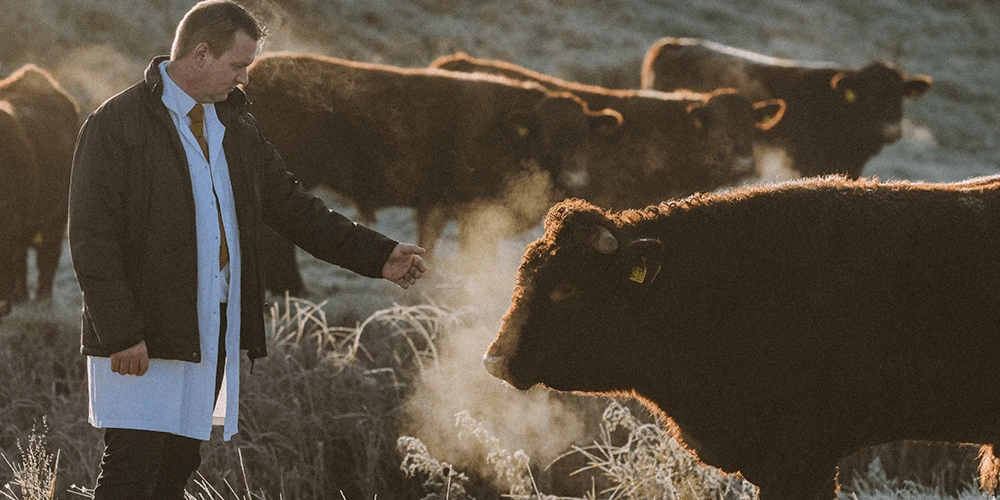
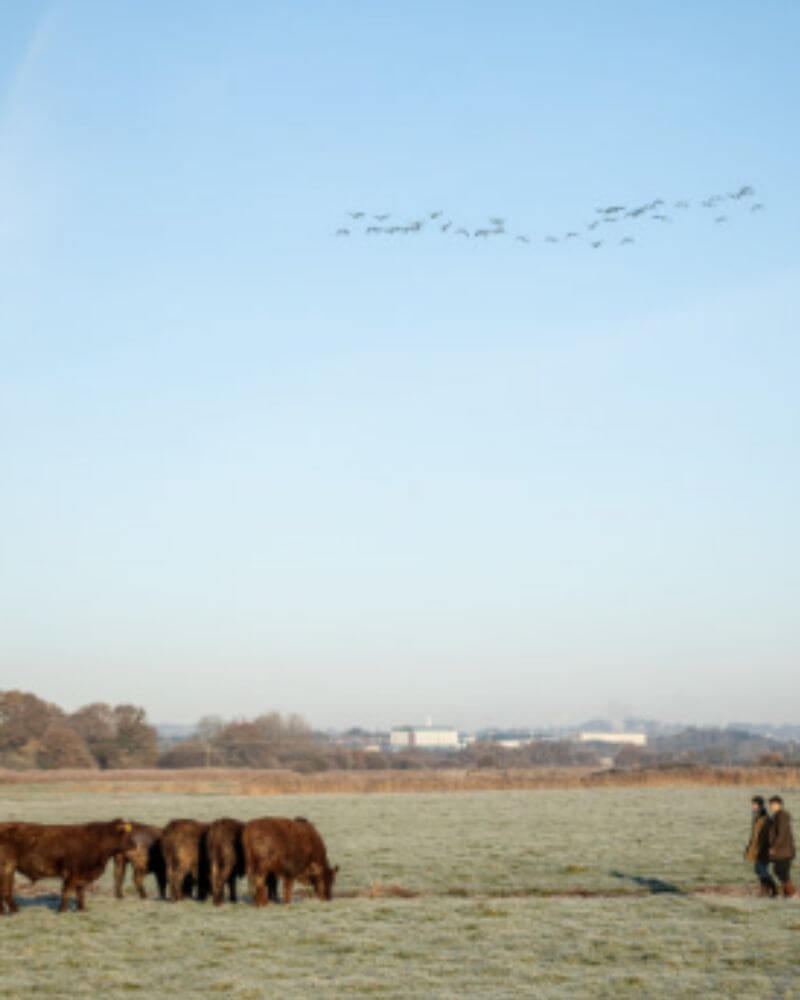 January arrives with its usual promises and resolutions — new diets, detoxes, and rules for how we should feed ourselves. Social media is awash with so-called experts giving conflicting advice: avoid red meat, shun carbs, juice everything. The endless barrage of noise leaves us overwhelmed, confused, and utterly exhausted. Yet, when you look away from the screens and into nature, the picture becomes clear. Nature doesn’t deal in trends or hashtags — it has successfully guided us for millennia. It’s only since we have tried to fiddle with it that we have lost our way.
Over the past fifty-five years, as a society, we’ve quietly drifted away from that truth. Ultra-processed foods — factory-made products built from refined starches, industrial oils, artificial flavourings, and additives — now make up around 60% of the average British diet. These foods are convenient, cheap, and engineered to keep us snacking by hijacking our body’s natural “fullness” signals.
When we eat ultra-processed foods, our bodies lose touch with what real nourishment feels like. The instant gratification rapidly fades as we feel less satisfied, our health declines, and we start searching for miracle diets and solutions that promise to fix the problem they helped create. As Chris van Tulleken highlights in his book Ultra-Processed People, the issue isn’t salt, sugar, or fat; it’s the physical structure of the “food” itself. These products are “pre-chewed” in a factory, stripped of fibre and natural fat, then reassembled with emulsifiers that disrupt our gut microbiome. We aren’t failing through lack of willpower; we are simply outmanoeuvred by chemistry.
By demonising traditional fats and whole meats, we have inadvertently created a vacuum filled by these laboratory-designed alternatives — highly profitable for corporations, but devastating for our health. Our ecosystems also suffer at the hands of this food system, as 60% of our calories now come from just three crops — maize, wheat, and rice — mostly grown in chemically intensive monocultures. This lack of diversity starves our guts while feeding the belly of corporate greed.
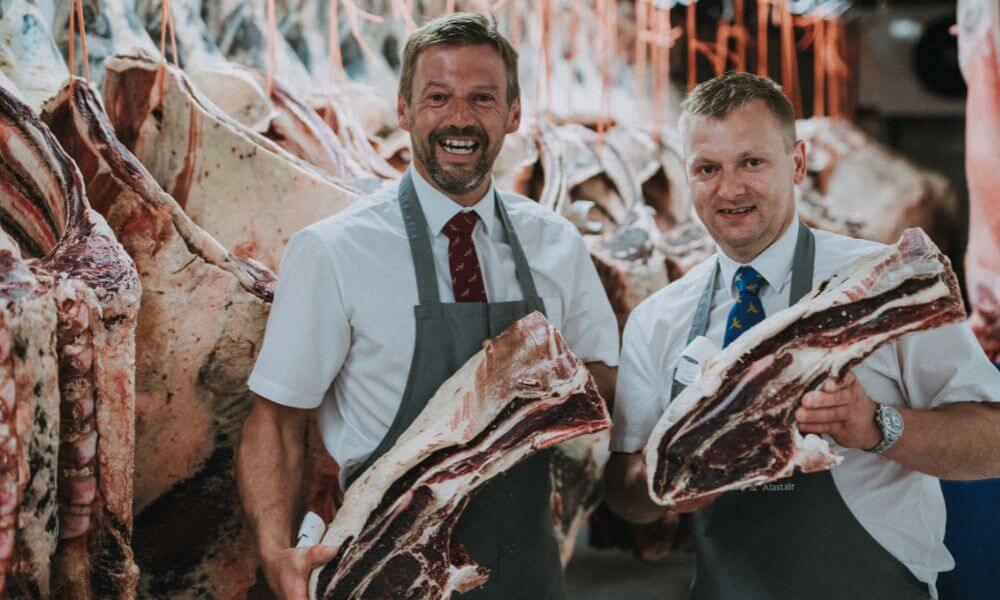 Somewhere along the way, meat became the scapegoat — but not all meat is created equal. There’s a world of difference between factory-farmed animals and those reared naturally, like the meat you’ll find on our butcher’s counter. Livestock raised on diverse pasture is rich in bioavailable protein, conjugated linoleic acid (CLA — linked to reduced cancer risk and improved insulin sensitivity), and crucially omega-3 fats, which reduce inflammation. We know inflammation is the root cause of many chronic diseases. This is dense, natural nutrition that our bodies truly understand.
These animals are also fundamental to a healthy natural ecosystem. Through grazing, they build soil and contribute to a diverse soil microbiome, which in turn supports our gut microbiome. Healthy soil also helps sequester and fix atmospheric carbon and nitrogen.
“Livestock raised on diverse pasture is rich in bioavailable protein, conjugated linoleic acid, and crucially omega-3 fats, which reduce inflammation. This is dense, natural nutrition that our bodies truly understand.”
Cooking is one of the last acts of agency we have over our own well-being — and it’s time we reclaimed it. Stepping away from ultra-processed convenience is not about nostalgia or guilt, but about sovereignty: knowing what we’re eating, where it comes from, and how it makes us feel. When we buy from local farmers, cook with real ingredients, and eat seasonally, we build a deeper relationship with both nature and nourishment. Each meal becomes an act of quiet resistance — a way of saying no to the faceless corporations that have turned food into a commodity, and yes to flavour, diversity, and life.
Reconnecting with real food is how we restore our health, our soils, and our communities. It begins not with another diet, but with the simple act of cooking again.
by George Dart
Be part of our community
Keep up to date with news from the farm, food & drink masterclasses, events, recipes, artisan products and much more!
Tags
- Food Hall
- Recipes
- The Farm
- News
- Awards
- Lifestyle
- Fitness & Wellbeing
- Food & Drink
- Seasonality
- Charity
- Supporting Local
- The Fish Shed
- Butchers
- The Flower Shack
- Energy Hair
- Winter Recipe
- Autumn Recipe
- Spring Recipe
- Summer Recipe
- The Farm Table
- Boxing Day Recipes
- November 2017 (1)
- July 2018 (1)
- August 2018 (1)
- August 2018 (1)
- September 2018 (1)
- September 2018 (1)
- September 2018 (1)
- September 2018 (1)
- October 2018 (1)
- October 2018 (1)
- November 2018 (1)
- November 2018 (1)
- November 2018 (1)
- December 2018 (1)
- January 2019 (1)
- January 2019 (1)
- March 2019 (1)
- March 2019 (1)
- May 2019 (1)
- May 2019 (1)
- May 2019 (1)
- May 2019 (1)
- May 2019 (1)
- May 2019 (1)
- June 2019 (1)
- June 2019 (1)
- June 2019 (1)
- June 2019 (1)
- June 2019 (1)
- June 2019 (1)
- July 2019 (1)
- July 2019 (1)
- July 2019 (1)
- July 2019 (1)
- August 2019 (1)
- September 2019 (1)
- September 2019 (1)
- October 2019 (1)
- November 2019 (1)
- November 2019 (1)
- November 2019 (1)
- December 2019 (1)
- December 2019 (1)
- December 2019 (1)
- December 2019 (1)
- December 2019 (1)
- December 2019 (1)
- December 2019 (1)
- December 2019 (1)
- December 2019 (1)
- December 2019 (1)
- December 2019 (1)
- January 2020 (1)
- January 2020 (1)
- January 2020 (1)
- January 2020 (1)
- January 2020 (1)
- January 2020 (1)
- January 2020 (1)
- January 2020 (1)
- January 2020 (1)
- January 2020 (1)
- January 2020 (1)
- January 2020 (1)
- January 2020 (1)
- January 2020 (1)
- January 2020 (1)
- January 2020 (1)
- January 2020 (1)
- January 2020 (1)
- January 2020 (1)
- January 2020 (1)
- January 2020 (1)
- January 2020 (1)
- January 2020 (1)
- February 2020 (1)
- February 2020 (1)
- February 2020 (1)
- February 2020 (1)
- February 2020 (1)
- February 2020 (1)
- February 2020 (1)
- February 2020 (1)
- February 2020 (1)
- February 2020 (1)
- March 2020 (1)
- March 2020 (1)
- March 2020 (1)
- March 2020 (1)
- March 2020 (1)
- March 2020 (1)
- April 2020 (1)
- April 2020 (1)
- April 2020 (1)
- April 2020 (1)
- April 2020 (1)
- April 2020 (1)
- April 2020 (1)
- April 2020 (1)
- April 2020 (1)
- April 2020 (1)
- April 2020 (1)
- April 2020 (1)
- May 2020 (1)
- May 2020 (1)
- May 2020 (1)
- May 2020 (1)
- May 2020 (1)
- May 2020 (1)
- May 2020 (1)
- June 2020 (1)
- June 2020 (1)
- June 2020 (1)
- June 2020 (1)
- June 2020 (1)
- June 2020 (1)
- June 2020 (1)
- June 2020 (1)
- July 2020 (1)
- July 2020 (1)
- July 2020 (1)
- July 2020 (1)
- July 2020 (1)
- July 2020 (1)
- August 2020 (1)
- August 2020 (1)
- August 2020 (1)
- August 2020 (1)
- August 2020 (1)
- August 2020 (1)
- August 2020 (1)
- September 2020 (1)
- September 2020 (1)
- September 2020 (1)
- September 2020 (1)
- September 2020 (1)
- September 2020 (1)
- September 2020 (1)
- October 2020 (1)
- October 2020 (1)
- October 2020 (1)
- October 2020 (1)
- October 2020 (1)
- November 2020 (1)
- November 2020 (1)
- December 2020 (1)
- December 2020 (1)
- December 2020 (1)
- January 2021 (1)
- January 2021 (1)
- January 2021 (1)
- February 2021 (1)
- February 2021 (1)
- March 2021 (1)
- April 2021 (1)
- May 2021 (1)
- May 2021 (1)
- May 2021 (1)
- May 2021 (1)
- May 2021 (1)
- June 2021 (1)
- June 2021 (1)
- June 2021 (1)
- June 2021 (1)
- July 2021 (1)
- July 2021 (1)
- July 2021 (1)
- July 2021 (1)
- July 2021 (1)
- August 2021 (1)
- August 2021 (1)
- August 2021 (1)
- August 2021 (1)
- September 2021 (1)
- September 2021 (1)
- September 2021 (1)
- September 2021 (1)
- October 2021 (1)
- October 2021 (1)
- December 2021 (1)
- December 2021 (1)
- December 2021 (1)
- January 2022 (1)
- January 2022 (1)
- January 2022 (1)
- January 2022 (1)
- February 2022 (1)
- February 2022 (1)
- February 2022 (1)
- February 2022 (1)
- February 2022 (1)
- February 2022 (1)
- February 2022 (1)
- February 2022 (1)
- February 2022 (1)
- February 2022 (1)
- March 2022 (1)
- March 2022 (1)
- March 2022 (1)
- April 2022 (1)
- April 2022 (1)
- May 2022 (1)
- May 2022 (3)
- May 2022 (1)
- May 2022 (1)
- May 2022 (1)
- May 2022 (1)
- May 2022 (1)
- June 2022 (1)
- July 2022 (1)
- July 2022 (1)
- August 2022 (1)
- August 2022 (1)
- September 2022 (1)
- September 2022 (1)
- September 2022 (1)
- September 2022 (1)
- September 2022 (1)
- September 2022 (1)
- October 2022 (1)
- October 2022 (1)
- October 2022 (1)
- October 2022 (1)
- October 2022 (1)
- October 2022 (1)
- October 2022 (1)
- November 2022 (1)
- November 2022 (1)
- November 2022 (1)
- November 2022 (1)
- December 2022 (1)
- December 2022 (1)
- December 2022 (1)
- December 2022 (1)
- December 2022 (1)
- December 2022 (1)
- January 2023 (1)
- January 2023 (1)
- January 2023 (1)
- February 2023 (1)
- February 2023 (1)
- April 2023 (1)
- April 2023 (1)
- April 2023 (1)
- April 2023 (1)
- April 2023 (1)
- April 2023 (1)
- April 2023 (1)
- May 2023 (1)
- May 2023 (1)
- May 2023 (1)
- May 2023 (1)
- June 2023 (1)
- June 2023 (1)
- June 2023 (1)
- June 2023 (1)
- June 2023 (1)
- July 2023 (1)
- July 2023 (1)
- July 2023 (1)
- August 2023 (1)
- August 2023 (1)
- August 2023 (1)
- August 2023 (1)
- August 2023 (1)
- September 2023 (1)
- September 2023 (1)
- October 2023 (1)
- October 2023 (1)
- October 2023 (1)
- November 2023 (1)
- November 2023 (1)
- November 2023 (1)
- November 2023 (1)
- November 2023 (1)
- December 2023 (1)
- December 2023 (1)
- December 2023 (1)
- December 2023 (1)
- January 2024 (1)
- January 2024 (1)
- January 2024 (1)
- January 2024 (1)
- January 2024 (1)
- January 2024 (1)
- January 2024 (1)
- February 2024 (1)
- February 2024 (1)
- February 2024 (1)
- February 2024 (1)
- February 2024 (1)
- February 2024 (1)
- March 2024 (1)
- March 2024 (1)
- March 2024 (1)
- March 2024 (1)
- March 2024 (1)
- March 2024 (1)
- April 2024 (1)
- April 2024 (1)
- April 2024 (1)
- April 2024 (1)
- April 2024 (1)
- May 2024 (1)
- June 2024 (1)
- July 2024 (1)
- July 2024 (1)
- July 2024 (1)
- July 2024 (1)
- August 2024 (1)
- September 2024 (1)
- October 2024 (1)
- December 2024 (1)
- December 2024 (1)
- December 2024 (1)
- December 2024 (1)
- December 2024 (1)
- December 2024 (1)
- December 2024 (1)
- January 2025 (1)
- January 2025 (1)
- January 2025 (1)
- February 2025 (1)
- February 2025 (1)
- February 2025 (1)
- February 2025 (1)
- March 2025 (1)
- March 2025 (1)
- March 2025 (1)
- March 2025 (1)
- March 2025 (1)
- April 2025 (1)
- April 2025 (1)
- April 2025 (1)
- April 2025 (1)
- April 2025 (1)
- April 2025 (1)
- April 2025 (1)
- May 2025 (1)
- May 2025 (1)
- June 2025 (1)
- June 2025 (1)
- June 2025 (1)
- June 2025 (1)
- June 2025 (1)
- June 2025 (1)
- June 2025 (1)
- June 2025 (1)
- June 2025 (1)
- June 2025 (1)
- July 2025 (1)
- July 2025 (2)
- July 2025 (1)
- July 2025 (1)
- July 2025 (1)
- July 2025 (1)
- July 2025 (1)
- July 2025 (1)
- July 2025 (1)
- July 2025 (1)
- July 2025 (1)
- July 2025 (1)
- July 2025 (1)
- August 2025 (1)
- September 2025 (1)
- September 2025 (1)
- September 2025 (1)
- October 2025 (1)
- October 2025 (1)
- October 2025 (1)
- October 2025 (1)
- October 2025 (1)
- November 2025 (1)
- November 2025 (1)
- November 2025 (1)
- November 2025 (1)
- November 2025 (1)
- November 2025 (1)
- November 2025 (1)
- November 2025 (1)
- December 2025 (1)
- December 2025 (1)
- December 2025 (1)
- December 2025 (1)
- December 2025 (1)
- December 2025 (1)
- December 2025 (1)
- December 2025 (1)
- December 2025 (1)
- January 2026 (1)
- January 2026 (1)
- January 2026 (1)
- January 2026 (1)
- January 2026 (1)
- January 2026 (1)
- January 2026 (1)
- January 2026 (1)
- January 2026 (1)
- January 2026 (1)
- January 2026 (1)
- January 2026 (1)
- January 2026 (1)
- January 2026 (1)
- February 2026 (1)
- February 2026 (1)
- February 2026 (1)
- March 2026 (1)
- April 2026 (1)
- April 2026 (1)
- April 2026 (1)
- May 2026 (1)
- May 2026 (1)
- May 2026 (1)
- June 2026 (1)
- June 2026 (1)
- June 2026 (1)
- June 2026 (1)
- June 2026 (1)
- June 2026 (1)
- June 2026 (1)
- July 2026 (1)
- July 2026 (1)
- August 2026 (1)
- August 2026 (1)
- August 2026 (1)
- August 2026 (1)
- August 2026 (1)
- September 2026 (1)
- September 2026 (1)
- September 2026 (1)
Related blog posts

The Money You raised for Hospiscare
By picking, you've supported local flowers and local charity!
Raw Honey now available!
A super exciting announcement!